“you have eaten” search results (400)

Fragrance between the pros and cons of coffee
Some people say that coffee is a panacea, others say that coffee is black poison. A new study by Finnish researchers shows that drinking coffee regularly reduces the risk of diabetes, which seems to be a good footnote to the former, but in fact, whether it's jam-made Russian coffee, or floating milk-scented cappuccino, or slightly tipsy Irish coffee people care.
2015-07-01 Fragrance benefit coffee basics common sense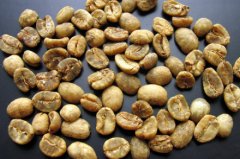
What are the defective beans in the coffee beans?
Moldy beans: cyan and white bacteria grow because they are not completely dry or are too wet during transportation and preservation, which will make the whole cup of coffee mildew if mixed into roasting and grinding. Fermented beans: there are two main causes: one is the process of soaking in a washing fermentation tank, which is formed by water pollution, and the other is that the moisture in the warehouse makes it ferment and make the beans.
2015-03-27 Boutique coffee beans common sense medium defects which moldy because dry endless
How to choose the kind of coffee defective beans
Because the drying is not complete, or in the transportation, storage process is too wet, and the growth of cyan, white mold, sometimes make beans stick together, if you do not remove these moldy beans, it will produce moldy smell. 4. Fermented beans are mainly divided into two categories: one is that the coffee is soaked in the fermentation tank for too long when the coffee is washed, and it is formed by the water pollution of the washed coffee beans; the other is the heap.
2016-05-23 Defects how coffee type because dry not completely is in transportation storage
There are ten kinds of defective beans in coffee, how many do you know?
One of the most important factors affecting the quality of coffee is defective beans. The number of defective beans also affects the grade of coffee.
2014-06-05 Types of coffee
15 interesting things about coffee that you don't know about coffee culture
1. Legend has it that the fruit of coffee was discovered by an Ethiopian shepherd in 850: he noticed that the goat came alive after eating the red fruit of a local shrub. two。 At first people ate coffee instead of drinking it: a long time ago, African tribes mixed coffee berries with fat to make an energy ball that could be eaten!
2015-01-23 Coffee culture what you don't know about coffee 15 things interesting things legends coffee
Kinds of defective beans
One of the most important factors affecting the quality of coffee is defective beans. The number of defective beans also affects the grade of coffee. For example, the coffee evaluation method used in Brazil is the "deduction method", which is graded according to the number of defective beans in 300 grams of staple beans per gram.
2014-07-15 Coffee knowledge defective beans types of coffee beans
Kopi Luwak-production mode and production process
There are many ways to produce Kopi Luwak: one is to pick up coffee beans discharged by civets after eating coffee beans in a natural coffee garden; a kind of artificially fed coffee beans. In the production process of Kopi Luwak in Yunnan, China, some farmers adopt the method of semi-captivity, the civet moves freely in the greenhouse, and the coffee beans are eaten freely by it. The mode of production is quite reasonable, but the yield is low.
2016-06-06 Cat shit coffee mode of production production process mode cat shit production variety
The word "coffee" comes from the ancient Greek word "Kaweh".
It is said that the word coffee comes from the ancient Greek word Kaweh, meaning strength and enthusiasm. There is a very interesting story about the origin of coffee, about a shepherd in Ethiopia. One day he found the sheep jumping up and down happily, which was very strange to him. After careful observation, we found that the sheep had eaten a kind of red fruit. So he took the fruit to the monastery
2015-10-06 The word coffee comes from Greek Kaweh it is said that the word coffee comes from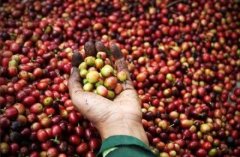
Common sense of defective beans affecting the flavor of high-quality coffee
Moldy beans: cyan and white bacteria grow because they are not completely dry or are too wet during transportation and preservation, which will make the whole cup of coffee mildew if mixed into roasting and grinding. Fermented beans: there are two main causes: one is the process of soaking in a washing fermentation tank, which is formed by water pollution, and the other is that the moisture in the warehouse makes it ferment and make the beans.
2015-05-15 Impact quality coffee flavor imperfections common sense mildew because dry incomplete
Which are the defective beans that affect the flavor of high-quality coffee?
Moldy beans: cyan and white bacteria grow because they are not completely dry or are too wet during transportation and preservation, which will make the whole cup of coffee mildew if mixed into roasting and grinding. Fermented beans: there are two main causes: one is the process of soaking in a washing fermentation tank, which is formed by water pollution, and the other is that the moisture in the warehouse makes it ferment and make the beans.
2014-08-07 Which belong to influence quality coffee flavor defects beans moldy because
Ten kinds of defective beans in Coffee
One of the most important factors affecting the quality of coffee is defective beans. The number of defective beans also affects the grade of coffee. For example, the coffee evaluation method used in Brazil is the "deduction method", which is graded according to the number of defective beans in 300 grams of staple beans per gram.
2014-06-04 Coffee knowledge coffee bean classification defective beans
Coffee basics Common sense "good coffee" should be the standard
Everyone's taste is different, the taste of coffee preferences also vary from person to person, how can you say what is good, what is not good? How to judge? The taste of coffee is determined by the combination of sour and bitter taste, aroma concentration, astringency and mellow, sometimes with alcohol, mildew, fermentation and so on. For a person who doesn't like sour coffee, even a good cup of sour coffee is a good choice.
2015-01-17 coffee basics common sense good coffee some standard each personal taste different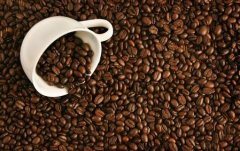
Criteria for distinguishing quality coffee
In the definition of high-quality coffee, it is not difficult to see that the first flawless bean is the top priority of the whole link. What is defective bean?
2014-05-12 Coffee knowledge discrimination standard
How many kinds of coffee do you know about the ten kinds of defective beans?
One of the most important factors affecting the quality of coffee is defective beans. The number of defective beans also affects the grade of coffee. For example, the coffee evaluation method used in Brazil is the deduction method, which is graded according to the number of defective beans in 300 grams of staple beans per gram. For example, coffee is hand-selected, so successful hand-selection is also necessary to have a comprehensive understanding of the types of defective beans.
2014-09-05 Ten kinds of coffee defective beans coffee defective beans coffee beans
The standard of quality coffee
1. High-quality raw beans with flawless beans (raw beans with few defective beans such as fermented beans and moldy beans, but not high-priced beans) 2. Freshly roasted coffee (coffee is best served within two weeks after roasting, preserved as beans and ground before brewing) 3. Freshly ground coffee 4. The freshly brewed coffee is summarized as follows: the so-called good coffee quality coffee can be defined as excellent.
2014-05-13 Coffee knowledge quality coffee
Kopi Luwak producing area Kopi Luwak processing style Fine Coffee
Kopi Luwak refers to coffee beans that are fermented into the stomach of cats after they are eaten. (photo) Cat poop is processed into the world's most expensive coffee cat shit and into the world's most expensive coffee atlas Kopi Luwak. It is produced by the droppings of Indonesian coconut cats (a kind of civet) as raw material, so it is called Kopi Luwak. This animal mainly feeds on coffee beans and is found in the stomach of coconut cats.
2016-05-29 Cat shit coffee producing area treatment way boutique cat shit I mean coffee beans.
Which coffee common sense belongs to the defective beans that affect the flavor of high-quality coffee?
Moldy beans: cyan and white bacteria grow because they are not completely dry or are too wet during transportation and preservation, which will make the whole cup of coffee mildew if mixed into roasting and grinding. Fermented beans: there are two main causes: one is the process of soaking in a washing fermentation tank, which is formed by water pollution, and the other is that the moisture in the warehouse makes it ferment and make the beans.
2014-12-20 Coffee common sense which belong to influence quality flavor defects beans mildew
The methods of making coffee in various countries
There is a beautiful legend about the origin of coffee. In about the sixth century AD, when Kardai, an Arab shepherd, was driving sheep to the Isobian prairie for grazing, he saw that each goat was overjoyed. It turned out that the sheep had eaten some kind of red fruit. Carl tasted some of it curiously, and found that the fruit was often sweet and delicious, and he felt very refreshed after eating it, so he slowly flowed.
2014-09-03 Coffee knowledge coffee making coffee brewing methods
What are the characteristics of defective coffee beans? factors that affect the flavor of high-quality coffee
Which are the defective beans that affect the flavor of high-quality coffee? Moldy beans: cyan and white bacteria grow because they are not completely dry or are too wet during transportation and preservation, which will make the whole cup of coffee mildew if mixed into roasting and grinding. Fermented beans: there are two main causes: one is the process of soaking in a washing fermentation tank, which is formed by water pollution.
2016-04-14 Coffee beans defects what characteristics influence quality coffee factors flushing flavor
Diagram of 10 kinds of defective beans in Coffee
One of the most important factors affecting the quality of coffee is defective beans. The number of defective beans also affects the grade of coffee.
2014-09-02 Coffee knowledge coffee defective beans kinds of defective beans